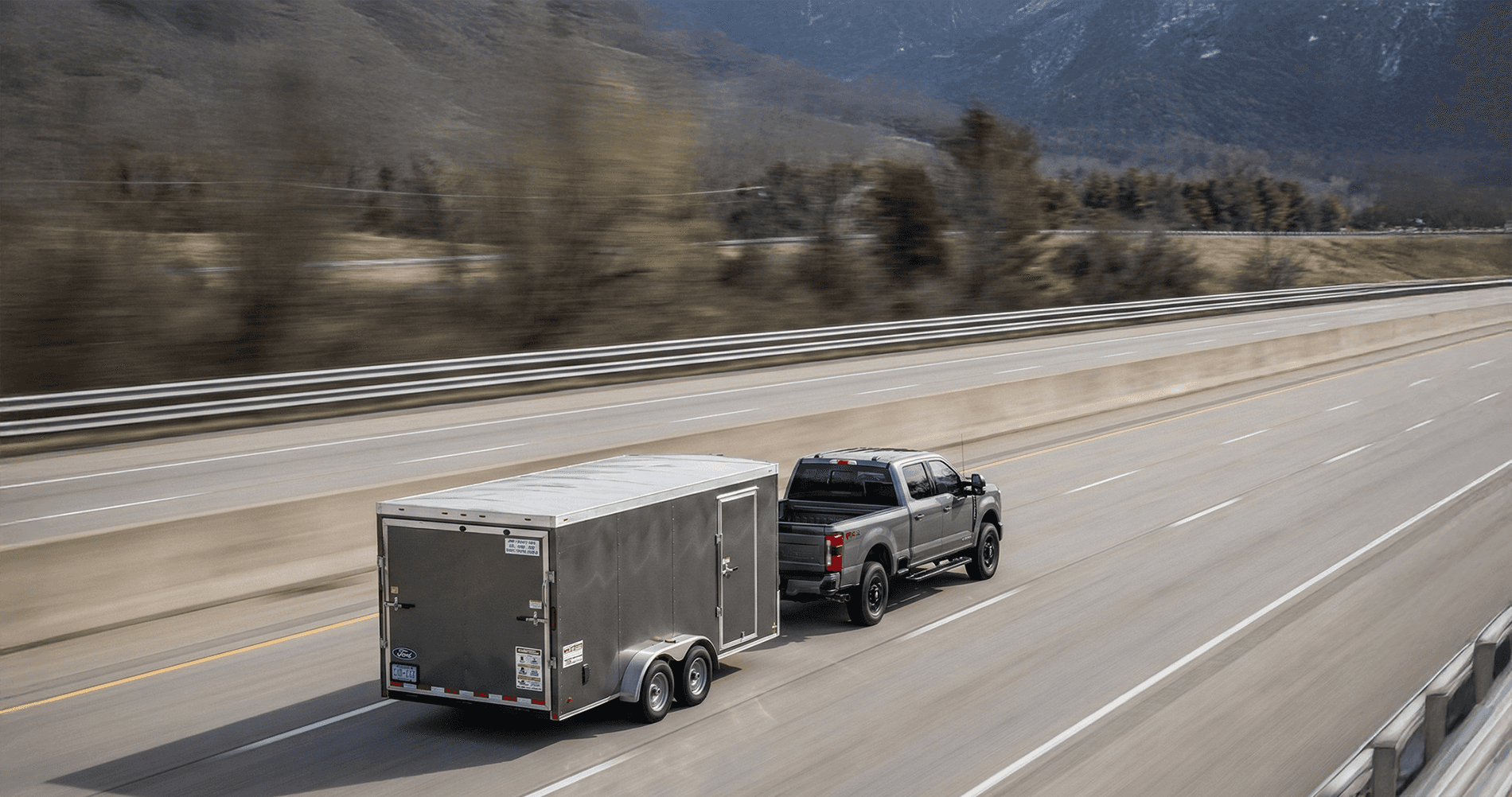
The Ford F‑250 Super Duty is built for drivers who need real capability from their truck, whether that means towing heavy equipment, hauling a large camper, or managing daily workloads across communities like Fairmont or Clarksburg.
Understanding the Ford F‑250 towing capacity is essential when choosing the right configuration, because each engine, cab style, and box length plays a direct role in how much the truck can tow or carry. This guide breaks down those numbers in a clear, practical way so shoppers can quickly see which setup fits their needs.
Inside, you’ll find detailed tables covering towing capacity by engine, conventional towing limits, 5th‑wheel and gooseneck capability, and payload ratings. Each section includes easy‑to‑read data along with explanations that translate the specs into real‑world usefulness.
Whether you’re comparing diesel vs. gas performance or deciding which cab and box combination works best for your lifestyle, this overview helps simplify the towing capacity of a Ford F‑250 for drivers throughout the region, including areas like Morgantown.
| F-250 Super Duty Towing Capacities by Engine | |||
|---|---|---|---|
| Engine | Max Conventional Tow | Max 5th‑Wheel Tow | Max Gooseneck Tow |
| 6.7L Power Stroke® V8 Turbo Diesel | 20,000 lbs | 22,300 lbs | 22,900 lbs |
| 6.7L High‑Output Power Stroke® V8 Turbo Diesel | 20,000 lbs | 22,300 lbs | 23,000 lbs |
| 6.8L V8 Gas | 17,300 lbs | 17,100 lbs | 17,300 lbs |
| 7.3L V8 Gas | 18,200 lbs | 18,200 lbs | 18,200 lbs |
The table gives a clear snapshot of how the Ford F‑250 towing capacity changes depending on the engine you choose, and the differences are more meaningful than they might look at first glance. For drivers around places like Fairmont or Bridgeport who regularly haul equipment, livestock, or heavy trailers, these numbers help determine which configuration will actually support their day‑to‑day workload.
The diesel engines stand out immediately. Both versions of the 6.7L Power Stroke deliver up to 20,000 pounds of conventional towing, with even higher limits for 5th‑wheel and gooseneck setups. That extra strength matters if you’re pulling a large camper into Morgantown or managing job‑site loads across North Central West Virginia. The High‑Output diesel adds a slight edge on the gooseneck side, giving shoppers who need maximum capability a clear top choice in the Ford Super Duty towing capacity lineup.
Gas engines still offer plenty of muscle, but they’re better suited for drivers who want strong performance without stepping into diesel territory. The 7.3L V8, for example, provides a balanced mix of power and affordability while still delivering impressive capability for everyday towing needs.
Overall, the chart helps simplify the towing capacity of a Ford F‑250 by showing how each engine aligns with real‑world demands, whether you’re hauling for work in Clarksburg or heading out for weekend adventures.
| F-250 Super Duty Conventional Towing Capacities | ||||
|---|---|---|---|---|
| Cab / Box | 6.7L Diesel | 6.7L HO Diesel | 6.8L Gas | 7.3L Gas |
| Regular Cab / 8′ | 20,000 | 20,000 | 17,300 | 18,200 |
| SuperCab / 6‑3/4′ | 20,000 | 20,000 | 14,500 | 18,200 |
| SuperCab / 8′ | 22,000 | 22,000 | 17,000 | 18,200 |
| Crew Cab / 6‑3/4′ | 22,000 | 22,000 | 16,600 | 18,200 |
| Crew Cab / 8′ | 22,000 | 22,000 | 16,800 | 18,200 |
The conventional towing chart makes it easy to see how the Ford F‑250 towing capacity shifts depending on cab style and engine choice. For many drivers in places like White Hall or Buckhannon, these numbers help determine which configuration fits their daily towing needs—whether that’s hauling equipment, pulling a utility trailer, or managing weekend projects.
One of the biggest takeaways is how consistent the diesel engines are across the lineup. Both the standard and High‑Output 6.7L Power Stroke deliver 20,000 to 22,000 pounds of conventional tow strength, giving shoppers a dependable ceiling no matter which cab and box combination they prefer. That kind of capability is especially useful for drivers who regularly tow through hilly areas or need the confidence of strong low‑end torque.
Gas engines offer a different balance. The 6.8L V8 provides solid performance for lighter towing, while the 7.3L V8 stands out with ratings up to 18,200 pounds, making it a smart choice for buyers who want strong capability without stepping into diesel territory. This spread of options helps simplify the towing capacity of a Ford F‑250 by showing how each setup aligns with real‑world workloads in communities like Clarksburg and beyond.
The 5th‑wheel and gooseneck towing chart highlights just how much capability the Ford F‑250 Super Duty towing capacity offers when properly equipped. These setups are designed for the heaviest loads—large campers, equipment trailers, and livestock haulers—so the numbers here matter for drivers in places like Shinnston or Mannington who rely on dependable strength every day.The diesel engines clearly lead the pack. Both versions of the 6.7L Power Stroke deliver more than 22,000 pounds of 5th‑wheel towing, with the High‑Output model reaching up to 23,000 pounds on gooseneck setups. That extra margin can make a real difference when you’re pulling long‑distance loads or navigating steep grades around Morgantown. These figures reinforce why the Ford F‑250 diesel towing capacity is often the top choice for serious haulers.Gas engines still provide solid performance, especially the 7.3L V8, which maintains consistent ratings across all cab and box combinations. While not as strong as the diesel options, it offers reliable capability for drivers who want a simpler, lower‑maintenance setup without sacrificing everyday towing confidence.Overall, this chart helps clarify the towing capacity of a Ford F‑250 by showing how each configuration supports heavy‑duty hauling needs, making it easier for shoppers to choose the right fit for their work or travel demands.
| F-250 Super Duty SRW 5th‑Wheel & Gooseneck Towing Capacities | ||||
|---|---|---|---|---|
| Cab / Box | 6.7L Diesel | 6.7L HO Diesel | 6.8L Gas | 7.3L Gas |
| Regular Cab / 8′ | 22,300 / 22,900 | 22,300 / 23,000 | 17,100 / 17,300 | 18,200 / 18,200 |
| SuperCab / 6‑3/4′ | 20,900 / 21,900 | 20,900 / 21,900 | 14,300 / 14,500 | 18,200 / 18,200 |
| SuperCab / 8′ | 20,900 / 21,900 | 20,900 / 21,900 | 16,700 / 16,900 | 18,200 / 18,200 |
| Crew Cab / 6‑3/4′ | 20,500 / 21,500 | 20,500 / 21,500 | 16,400 / 16,600 | 18,200 / 18,200 |
| Crew Cab / 8′ | 20,400 / 21,500 | 20,800 / 20,800 | 16,100 / 16,200 | 18,100 / 18,100 |
| F-250 Super Duty Payload Capacities | ||||
|---|---|---|---|---|
| Cab / Box | 6.7L Diesel | 6.7L HO Diesel | 6.8L Gas | 7.3L Gas |
| Regular Cab / 8′ | 3,334 | 3,334 | 3,794 | 4,302 |
| SuperCab / 6‑3/4′ | 3,446 | 3,446 | 3,674 | 4,062 |
| SuperCab / 8′ | 3,576 | 3,576 | 3,794 | 4,302 |
| Crew Cab / 6‑3/4′ | 3,446 | 3,446 | 3,674 | 4,062 |
| Crew Cab / 8′ | 3,576 | 3,576 | 3,794 | 4,302 |
The payload chart highlights another side of the Ford F‑250 towing capacity story—how much weight the truck can actually carry in the bed. For many drivers in places like Grafton or White Hall, payload matters just as much as tow ratings, especially if they regularly haul tools, materials, or equipment for work.
One of the biggest takeaways is how consistently strong the gas engines are in this category. The 7.3L V8 leads the lineup with payload ratings over 4,300 pounds in several configurations, giving shoppers a great option if they need maximum in‑bed capacity without stepping into diesel. The 6.8L gas engine also performs well, offering more than 3,700 pounds in many setups, which is plenty for contractors, landscapers, or anyone who loads up the bed daily.
Diesel models still deliver solid numbers, but their heavier engine weight naturally reduces payload compared to gas options. Even so, the 6.7L Power Stroke configurations remain competitive, especially for drivers who want the balance of strong payload and the high Ford Super Duty towing capacity that diesel provides.
Overall, this chart helps simplify the payload side of the towing capacity of a Ford F‑250, making it easier for shoppers in Morgantown and surrounding areas to choose the configuration that fits their real‑world needs.
| 2026 Ford F‑250 Tongue Weight Ratings | ||
|---|---|---|
| Hitch Type | Max Trailer Capacity (lbs) | Max Tongue Load (lbs) |
| Weight-Carrying | 22,000 | 2,200 |
| Weight-Distributing | 22,000 | 2,200 |
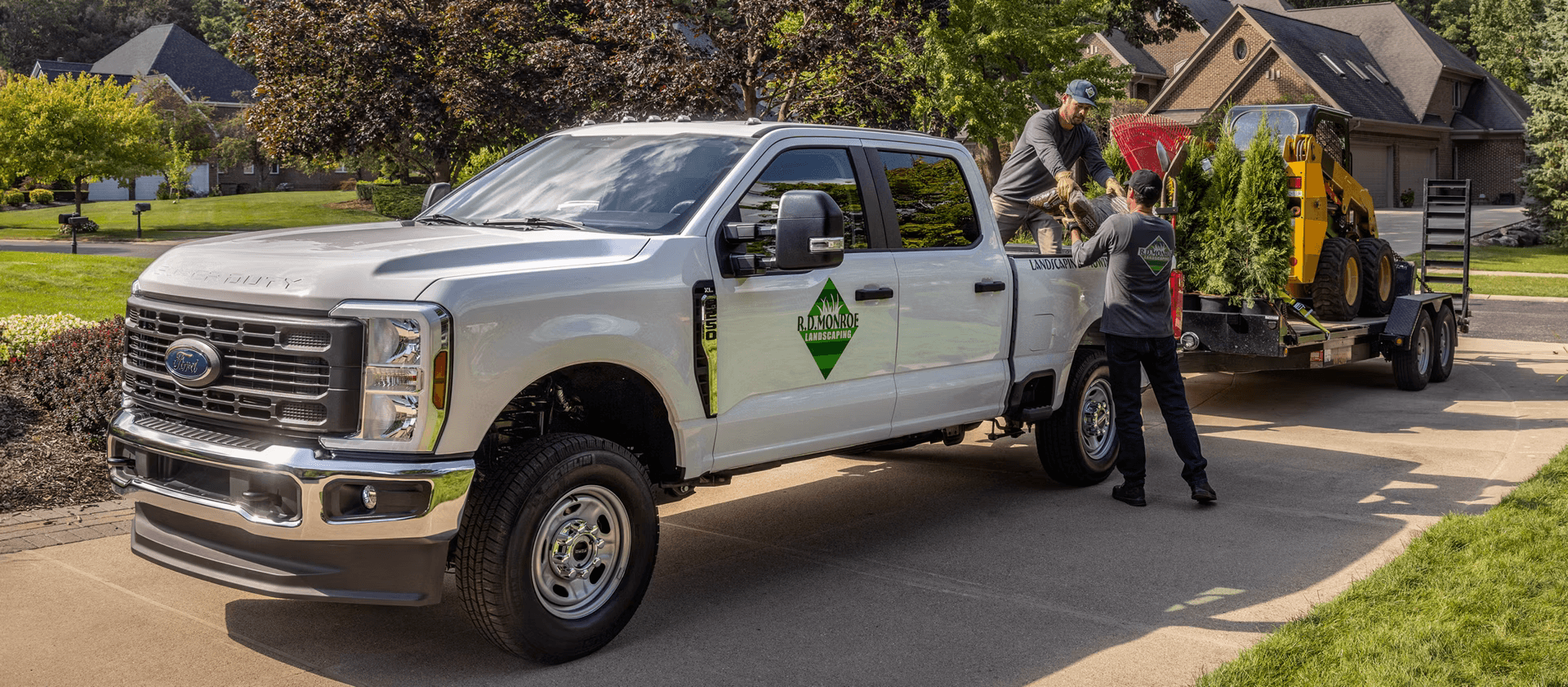
At the top of the F‑250 lineup, the 6.7L High‑Output Power Stroke® diesel delivers the strongest overall capability, reaching 23,000 lbs of gooseneck towing and 22,300 lbs of 5th‑wheel towing in select configurations. This makes it the ideal choice for drivers who regularly haul heavy equipment, large RVs, or commercial trailers. Even the standard 6.7L Power Stroke® maintains nearly identical numbers, offering exceptional strength for buyers who want serious towing performance without stepping into the HO model.
For shoppers who need a balance of capability and cost, the 7.3L V8 gas engine stands out. With 18,200 lbs of towing and up to 4,302 lbs of payload, it’s the best option for contractors, landscapers, and anyone who loads tools, materials, or bed‑mounted equipment every day. Its naturally aspirated design appeals to drivers who prefer simpler maintenance and predictable power delivery.
The 6.8L V8 gas engine serves as the entry point into the Super Duty lineup, offering up to 17,300 lbs of towing and strong payload ratings across multiple cab and box combinations. It’s a practical fit for buyers who need dependable capability for utility trailers, small equipment, or weekend recreation without the added cost of diesel power.
Across the board, the data shows that Ford F‑250 towing capacity and payload ratings vary meaningfully depending on engine choice and configuration. Buyers in areas like Fairmont or Clarksburg should match their selection to real‑world needs — whether that’s maximum diesel towing for demanding work, high‑payload gas performance for daily hauling, or a balanced setup for mixed personal and professional use.
At Toothman and Sowers Ford, we know that choosing a truck like the Ford F‑250 isn’t just about picking a model — it’s about finding the right tool for the work you do every day. That’s why drivers throughout the region trust our team. We understand how towing capacity, payload ratings, and engine choices translate into real‑world capability, and we take the time to walk you through those differences in a way that actually makes sense.
Our staff doesn’t just read spec sheets — we work with these trucks daily, helping customers match the right configuration to their needs, whether that means maximizing diesel towing strength or choosing a gas engine for higher payload. From comparing cab and box combinations to explaining the benefits of 5th‑wheel vs. gooseneck setups, we’re here to make sure you drive home in a truck that’s built for your lifestyle.
What sets Toothman and Sowers Ford apart is our commitment to a straightforward, pressure‑free experience. You’ll get transparent pricing, knowledgeable guidance, and long‑term support from a service team that stands behind every truck we sell. When you’re ready to experience the capability of the F‑250 Super Duty firsthand, our team is ready to help you find the perfect fit.
DISCLAIMERS:
*Towing capacity figures reflect maximum ratings when properly equipped. Actual towing capability will vary based on cargo, passenger count, accessories, trailer configuration, and vehicle condition.
*5th‑wheel and gooseneck towing require the appropriate hitch hardware and compatible trailer design. Ratings may differ depending on installation and equipment.
*Payload ratings are calculated before options and accessories. Adding aftermarket or factory‑installed equipment will reduce available payload.
*Trailer weight ratings are influenced by factors such as tongue weight, trailer brakes, road grade, and driving conditions. Always follow Ford’s towing guidelines and consult the owner’s manual for safe operation.
*Some configurations, engines, or towing packages may be limited by GCWR, GVWR, or axle ratio. Verify specific limits for your exact vehicle build.
*All specifications are based on manufacturer testing. Real‑world results may vary.