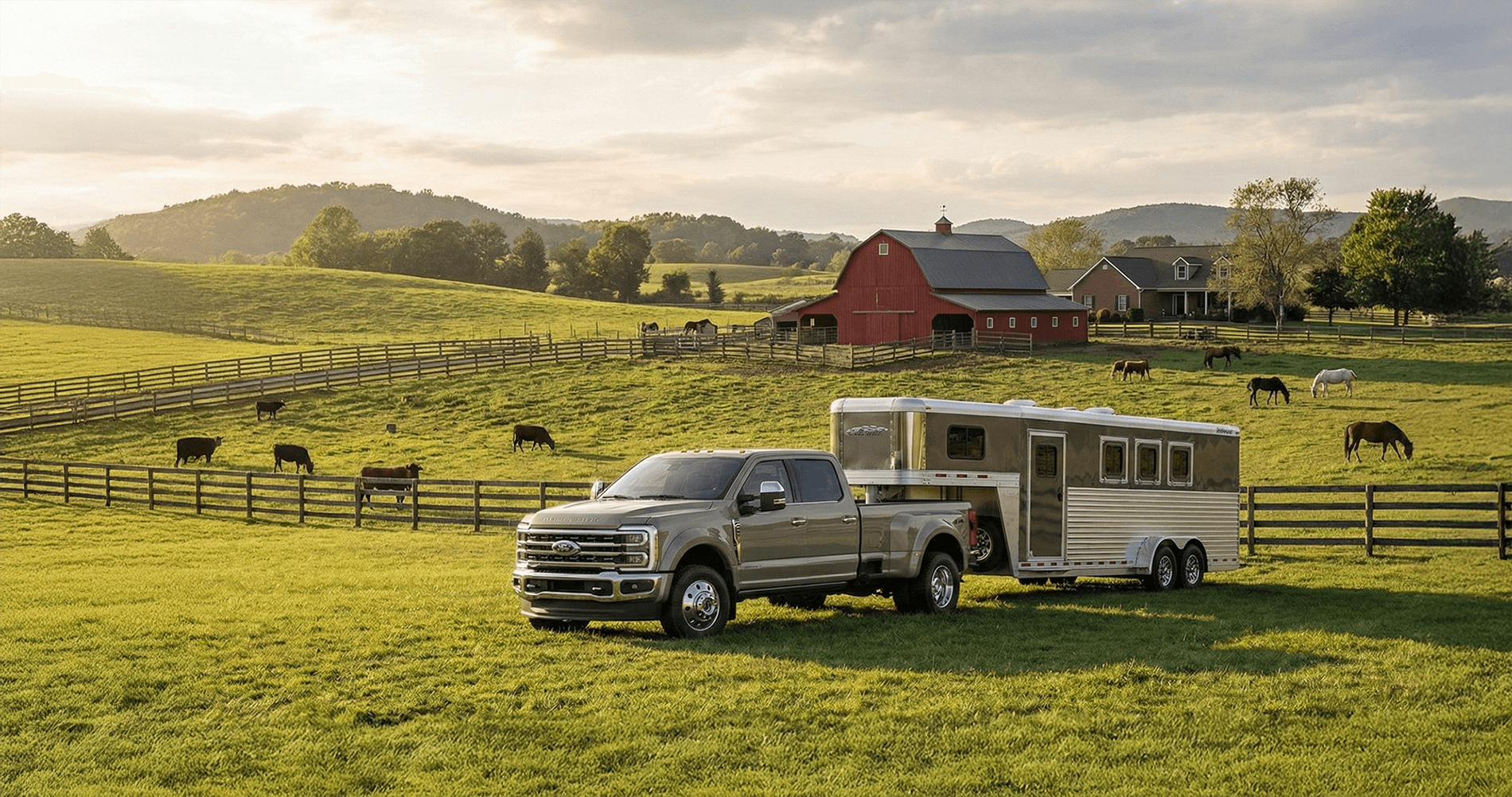
The 2026 F‑350 Super Duty is built for serious work, and shoppers comparing configurations want clear, trustworthy numbers on towing capacity, payload, hitch ratings, and real‑world capability. This guide brings all of that information together in one place — organized into clean, dealership‑grade tables that make it easy to compare SRW vs. DRW setups, gas vs. diesel engines, and every major cab/box combination.
Whether someone is researching overall tow ratings, looking into dually towing capacity, or simply wants a quick breakdown of the truck’s full towing specs, this article delivers a complete, structured overview. Every chart is built from verified Ford data, giving buyers the confidence to match the right configuration to the job — from heavy equipment hauling to 5th‑wheel RV towing.
| 2026 F‑350 Super Duty Towing Capacities by Engine SRW vs DRW |
||||||
|---|---|---|---|---|---|---|
| Engine | Max Conventional Tow | Max 5th‑Wheel Tow | Max Gooseneck Tow | |||
| SRW | DRW | SRW | DRW | SRW | DRW | |
| 6.7L Power Stroke® V8 Turbo Diesel | 20,000 lbs | 24,800 lbs | 22,300 lbs | 35,000 lbs | 22,800 lbs | 35,300 lbs |
| 6.7L High‑Output Power Stroke® V8 Turbo Diesel | 25,000 lbs | 24,800 lbs | 24,000 lbs | 38,600 lbs | 25,000 lbs | 38,600 lbs |
| 6.8L V8 Gas | 18,100 lbs | 18,700 lbs | 17,800 lbs | 18,900 lbs | 17,600 lbs | 18,900 lbs |
| 7.3L V8 Gas | 19,500 lbs | 22,000 lbs | 19,500 lbs | 22,500 lbs | 19,500 lbs | 22,500 lbs |
The table makes it easy to see how much capability the 2026 Super Duty brings to the table, and it highlights why shoppers who care about Ford F‑350 towing capacity often start by choosing the right engine. The biggest takeaway is how dramatically the diesel options outperform the gas engines when it comes to heavy 5th‑wheel and gooseneck towing. For drivers in places like Fairmont or Bridgeport who regularly pull equipment trailers, livestock, or large RVs, that difference can shape the entire buying decision.
The standard 6.7L Power Stroke already delivers impressive strength, but the High‑Output version pushes the Ford F‑350 tow rating to its absolute peak. With up to 38,600 pounds of 5th‑wheel and gooseneck capability, it’s built for the most demanding jobs — the kind where stability, torque, and long‑distance confidence matter more than anything else. This is also where Ford F‑350 dually towing capacity becomes especially relevant, since the dual‑rear‑wheel setup unlocks the highest numbers in the chart.
Gas engines still have a strong place in the lineup. The 7.3L V8 offers a practical balance of power and cost, making it a smart fit for everyday hauling around Clarksburg or Morgantown. Meanwhile, the 6.8L V8 covers lighter towing needs without sacrificing reliability.
Overall, the table shows how the Ford Super Duty towing capacity changes depending on engine choice and rear‑wheel setup — and why matching those specs to real‑world needs is the key to choosing the right truck.
| 2026 Ford F‑350 SRW Conventional Towing Capacity | ||||
|---|---|---|---|---|
| Cab / Box | 6.8L V8 Gas Max Conventional Tow (lbs)* |
7.3L V8 Gas Max Conventional Tow (lbs)* |
6.7L Power Stroke® Diesel Max Conventional Tow (lbs)* |
6.7L HO Power Stroke® Diesel Max Conventional Tow (lbs)* |
| Regular Cab / 8′ | 14,700 – 18,100 | 18,200 – 19,500 | 20,000 | 20,000 |
| SuperCab / 6‑3/4′ | 14,400 – 17,800 | 18,200 – 19,500 | 20,000 | 23,000 |
| SuperCab / 8′ | 14,400 – 17,400 | 18,000 – 19,500 | 20,000 | 23,000 |
| Crew Cab / 6‑3/4′ | 14,100 – 17,600 | 18,100 – 19,500 | 20,000 | 23,500 – 24,000 |
| Crew Cab / 8′ | 14,000 – 17,200 | 17,800 – 19,500 | 20,000 | 23,500 – 25,000 |
The conventional‑towing chart for the 2026 F‑350 SRW highlights how much everyday usability Ford builds into this truck, even before stepping up to 5th‑wheel or gooseneck equipment. What stands out first is how consistent the Ford F‑350 towing capacity remains across cab and box combinations when equipped with the 6.7L diesel. No matter which layout you choose, the standard Power Stroke delivers a solid 20,000‑lb conventional tow rating — a reassuring benchmark for drivers in places like Morgantown or Grafton who need dependable strength for work trailers, equipment, or weekend hauling.
The gas engines show more variation, but that flexibility is exactly what many buyers want. The 7.3L V8 offers the strongest gas performance, reaching up to 19,500 lbs depending on cab and bed length. That makes it a smart middle‑ground option for shoppers who want strong Ford F‑350 towing specs without the cost of diesel ownership. Meanwhile, the 6.8L V8 covers lighter‑duty needs with ratings in the mid‑teens — plenty for utility trailers, small campers, or landscaping equipment around Shinnston or Buckhannon.
The High‑Output diesel is where the numbers really jump. In Crew Cab configurations, it pushes the Ford F‑350 tow rating as high as 25,000 lbs, giving buyers serious capability without moving into a dually setup. For anyone comparing engines or cab styles, this table makes it clear how each choice affects real‑world towing confidence and long‑term versatility.
| 2026 Ford F‑350 SRW 5th‑Wheel / Gooseneck Towing Capacity | ||||
|---|---|---|---|---|
| Cab / Box | 6.8L V8 Gas Max Tow (lbs)* |
7.3L V8 Gas Max Tow (lbs)* |
6.7L Power Stroke® Diesel Max Tow (lbs)* |
6.7L HO Power Stroke® Diesel Max Tow (lbs)* |
| Regular Cab / 8′ | 14,300 – 18,200 | 18,200 – 19,500 | 22,100 – 23,100 | 22,100 – 23,100 |
| SuperCab / 6‑3/4′ | 14,000 – 17,800 | 18,000 – 19,500 | 20,900 – 22,800 | 23,000 – 24,000 |
| SuperCab / 8′ | 14,000 – 17,400 | 18,000 – 19,500 | 20,900 – 22,800 | 23,000 – 24,000 |
| Crew Cab / 6‑3/4′ | 13,700 – 17,600 | 17,900 – 19,500 | 20,500 – 22,800 | 23,500 – 24,000 |
| Crew Cab / 8′ | 13,700 – 17,200 | 17,800 – 19,500 | 20,900 – 22,800 | 23,500 – 25,000 |
The 5th‑wheel and gooseneck chart shows just how much capability the 2026 Super Duty brings to buyers who need serious pulling power. What stands out immediately is how much the Ford F‑350 towing capacity increases when you move from conventional towing to a bed‑mounted setup. Even the gas engines deliver meaningful strength, with the 7.3L V8 reaching up to 19,500 pounds — plenty for medium‑size campers, equipment trailers, or farm use around places like Mannington or Bridgeport.
Where things really shift is with the diesel engines. The standard 6.7L Power Stroke offers a wide range of capability, topping out above 23,000 pounds depending on cab and box length. That flexibility makes it a strong fit for drivers who want dependable power without stepping into the highest output option. But for shoppers comparing Ford F‑350 towing specs for the biggest loads, the High‑Output diesel is the clear standout. In Crew Cab long‑bed form, it reaches up to 25,000 pounds — a major advantage for anyone hauling large 5th‑wheel RVs or heavy equipment.
This table also highlights how cab and bed choices influence the Ford F‑350 tow rating. Longer wheelbases generally support higher numbers, giving buyers in areas like White Hall more confidence when towing at the upper limits. Overall, the data shows how the Ford Super Duty towing capacity scales with engine choice and configuration, helping shoppers match the truck to the demands of their daily work or travel.
| 2026 Ford F‑350 DRW Conventional Towing Capacity | ||||
|---|---|---|---|---|
| Cab / Box | 6.8L V8 Gas Max Tow (lbs)* |
7.3L V8 Gas Max Tow (lbs)* |
6.7L Power Stroke® Diesel Max Tow (lbs)* |
6.7L HO Power Stroke® Diesel Max Tow (lbs)* |
| Regular Cab / 8′ | 14,700 – 18,100 | 18,200 – 19,500 | 21,000 – 22,000 | 21,000 – 22,000 |
| SuperCab / 8′ | 14,400 – 17,400 | 18,000 – 19,500 | 21,000 – 22,000 | 21,000 – 22,000 |
| Crew Cab / 6‑3/4′ | 14,100 – 17,600 | 18,100 – 19,500 | 21,000 – 22,000 | 23,000 – 24,000 |
| Crew Cab / 8′ | 14,000 – 17,200 | 17,800 – 19,500 | 21,000 – 22,000 | 23,000 – 25,000 |
The DRW conventional‑towing chart shows why many heavy‑duty shoppers step up to a dual‑rear‑wheel setup when they want maximum stability and confidence. Even before looking at 5th‑wheel or gooseneck numbers, the Ford F‑350 towing capacity climbs noticeably when you move into a dually configuration. For drivers in places like Buckhannon or Fairmont who regularly tow large equipment trailers or heavy loads on the highway, that added control can make a meaningful difference in day‑to‑day use.
The diesel engines continue to lead the way. Both versions of the 6.7L Power Stroke deliver 21,000–22,000 pounds of conventional towing across most cab and box combinations, giving buyers a strong and predictable baseline. The High‑Output diesel adds another bump in capability, especially in Crew Cab models, where the Ford F‑350 tow rating reaches up to 25,000 pounds. That extra margin is valuable for anyone who needs dependable pulling power without switching to a 5th‑wheel setup.
Gas engines still play an important role in the lineup. The 7.3L V8 offers up to 19,500 pounds, making it a practical choice for contractors or business owners who want strong performance with lower operating costs. Meanwhile, the 6.8L V8 covers lighter‑duty needs with ratings in the mid‑teens — plenty for utility trailers or moderate work around Clarksburg.
Overall, this chart highlights how the Ford Super Duty towing capacity scales with cab size, engine choice, and the added stability of a dually, helping shoppers choose the configuration that best fits their real‑world demands.
| 2026 Ford F‑350 DRW 5th‑Wheel / Gooseneck Towing Capacity | ||||
|---|---|---|---|---|
| Cab / Box | 6.8L V8 Gas Max Tow (lbs)* |
7.3L V8 Gas Max Tow (lbs)* |
6.7L Power Stroke® Diesel Max Tow (lbs)* |
6.7L HO Power Stroke® Diesel Max Tow (lbs)* |
| Regular Cab / 8′ | 18,500 – 18,900 | 18,700 – 22,500 | 32,300 – 36,500 | 32,800 – 38,000 |
| Crew Cab / 8′ | 17,400 – 17,600 | 17,600 – 22,200 | 31,200 – 35,300 | 31,700 – 35,900 |
The DRW 5th‑wheel and gooseneck chart is where the 2026 Super Duty shows its full potential. These are the highest Ford F‑350 towing capacity numbers available, and they’re aimed at drivers who routinely move serious weight — the kind of loads you see with large RVs, heavy equipment, or commercial trailers around places like Clarksburg or Bridgeport. Even the gas engines hold their own, with the 7.3L V8 reaching up to 22,500 pounds, which is more than enough for many work and recreation setups.
The diesel engines, however, are the real highlight. The standard 6.7L Power Stroke delivers more than 32,000 pounds in both Regular Cab and Crew Cab configurations, giving buyers a strong foundation for heavy hauling. The High‑Output version pushes the Ford F‑350 tow rating even further, topping out at an impressive 38,000 pounds. This is exactly why many shoppers compare Ford F‑350 dually towing capacity when choosing between SRW and DRW models — the added stability of a dually setup provides unmatched confidence under maximum load.
Cab choice also plays a role in the final Ford F‑350 towing specs. Regular Cab models offer the highest numbers thanks to their lighter weight, while Crew Cab trucks still deliver exceptional strength with added passenger space. For anyone evaluating Ford Super Duty towing capacity, this chart makes it clear that DRW and dually configurations are the go‑to options for the heaviest real‑world demands.
| 2026 Ford F‑350 Payload Capacity Slide‑In Camper Ratings — SRW vs DRW |
||||||||
|---|---|---|---|---|---|---|---|---|
| Cab / Box | 6.8L V8 Gas | 7.3L V8 Gas | 6.7L Diesel | 6.7L HO Diesel | ||||
| SRW | DRW | SRW | DRW | SRW | DRW | SRW | DRW | |
| Regular Cab 8′ | 3,784 | 4,014 | 4,062 | 4,302 | 3,334 | 3,574 | 3,334 | 3,574 |
| SuperCab 6‑3/4′ | 3,674 | — | 4,062 | — | 3,446 | — | 3,446 | — |
| SuperCab 8′ | 3,794 | 4,014 | 4,302 | 4,502 | 3,576 | 3,794 | 3,576 | 3,794 |
| Crew Cab 6‑3/4′ | 3,674 | — | 4,062 | — | 3,446 | — | 3,446 | — |
| Crew Cab 8′ | 3,794 | 4,014 | 4,302 | 4,502 | 3,576 | 3,794 | 3,576 | 3,794 |
The payload chart highlights one of the most practical strengths of the 2026 Super Duty lineup: no matter which configuration you choose, the Ford F‑350 payload capacity gives you room to work, haul, and carry gear with confidence. What jumps out first is how consistently strong the gas engines are, especially for drivers who plan to run a slide‑in camper. The 7.3L V8 leads the pack, pushing past 4,300 pounds in several SRW and dually setups — a major advantage for anyone loading tools, materials, or a fully outfitted camper for weekend trips out of Morgantown or Fairmont.
The 6.8L V8 also performs well, offering mid‑3,000‑lb ratings across most cab and box combinations. That’s more than enough for lightweight campers, overlanding builds, or work gear that stays in the bed full‑time. Meanwhile, the diesel engines trade a bit of payload for towing strength, but still deliver solid numbers in the 3,300–3,800‑lb range. For many buyers comparing Ford F‑350 towing specs and payload side‑by‑side, this balance helps determine whether gas or diesel better fits their daily routine.
The dually configurations add another layer of capability. With wider rear stance and higher GVWR, they unlock the highest ratings in the chart — a key factor for shoppers evaluating Ford F‑350 dually towing capacity and payload together. Overall, this table shows how cab size, bed length, and engine choice shape real‑world usability, helping drivers in places like Bridgeport choose the setup that matches their work, travel, and camper needs.
| 2026 Ford F‑350 Tongue Weight Ratings By Hitch Type — SRW vs DRW |
||||
|---|---|---|---|---|
| Configuration | Weight-Carrying Max Trailer (lbs) |
Weight-Carrying Max Tongue (lbs) |
Weight-Distributing Max Trailer (lbs) |
Weight-Distributing Max Tongue (lbs) |
| F‑350 SRW | 25,000 | 2,500 | 25,000 | 2,500 |
| F‑350 DRW | 28,000 | 2,800 | 28,000 | 2,800 |
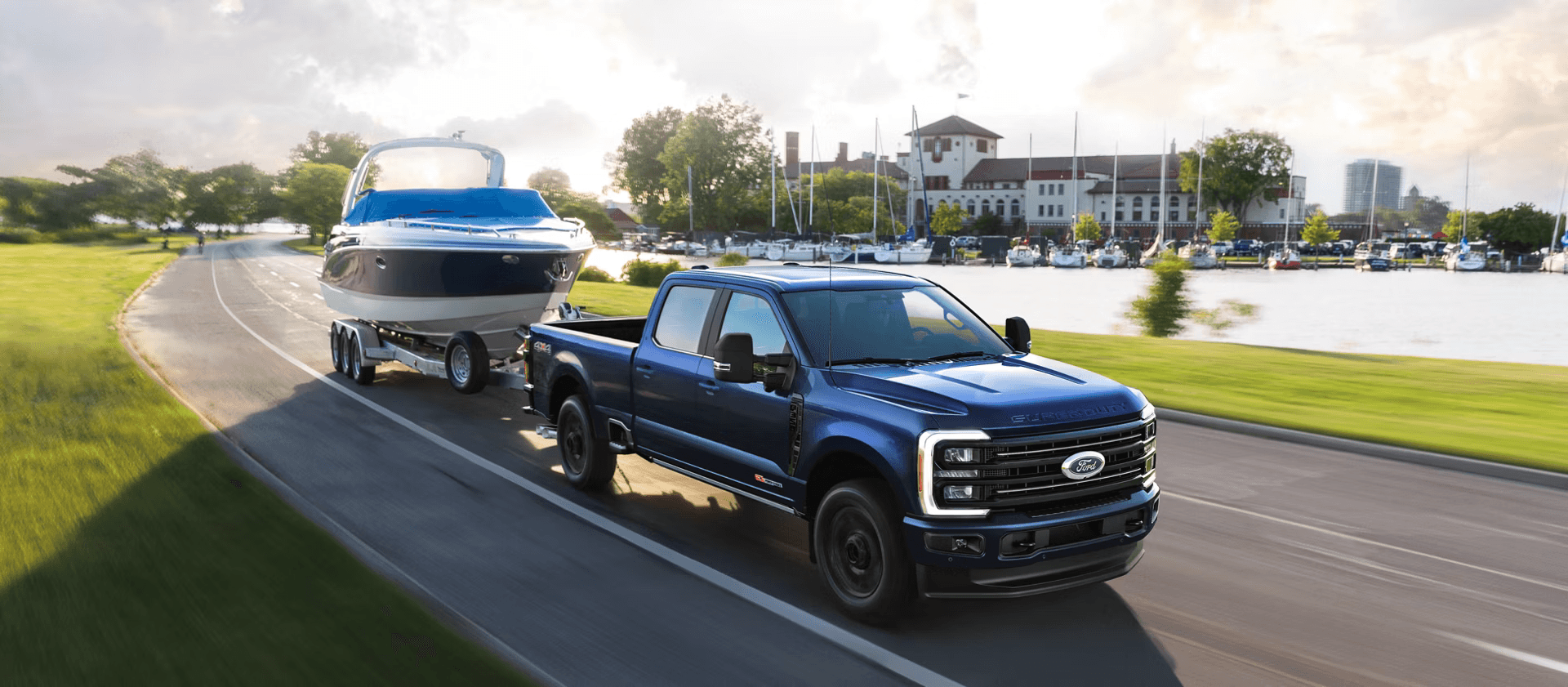
The F‑350 sits at the heart of the Super Duty lineup, and its engine choices play a major role in how much towing and payload capability buyers can expect. At the top, the 6.7L High‑Output Power Stroke® diesel delivers the strongest overall performance, offering the highest tow ratings in the class. It’s the go‑to choice for drivers who regularly pull large 5th‑wheel RVs, heavy equipment, or commercial trailers and need maximum confidence under load.
The standard 6.7L Power Stroke® diesel remains an excellent fit for serious towing as well, providing exceptional strength without stepping into the HO model. It’s ideal for buyers who want diesel torque, long‑distance durability, and strong 5th‑wheel and gooseneck capability across both SRW and DRW configurations.
For shoppers who prefer gas power, the 7.3L V8 stands out as the most capable gas option. It offers impressive towing performance and some of the highest payload ratings in the lineup, making it a strong match for contractors, landscapers, and anyone who loads tools, materials, or bed‑mounted equipment every day. Its simple, naturally aspirated design appeals to drivers who value predictable maintenance and long‑term dependability.
The 6.8L V8 serves as the entry point into the F‑350 range, delivering solid towing and payload numbers at a lower cost of ownership. It’s a practical fit for buyers who need dependable capability for utility trailers, small equipment, or weekend recreation without the added expense of diesel power.
Across the board, the data shows that towing and payload ratings vary meaningfully depending on engine choice, cab style, and whether the truck is configured as SRW or DRW. Buyers should match their selection to real‑world needs — whether that means maximum diesel towing for demanding work, high‑payload gas performance for daily hauling, or a balanced setup for mixed personal and professional use.
At Toothman and Sowers Ford, we understand that choosing a Super Duty isn’t just about picking a truck — it’s about finding the exact capability your work demands. Our team specializes in helping shoppers compare towing, payload, and engine options across the full F‑350 lineup, and we take the time to walk through every detail so you drive home in a configuration that fits your real‑world needs.
Because we serve drivers throughout White Hall, Fairmont, and the surrounding communities, we know how these trucks are used every day — from equipment hauling and farm work to RV towing and commercial jobs. That’s why we keep a strong selection of models in stock, including multiple cab and box combinations, gas and diesel engines, and the most in‑demand towing packages. And if you’re building a truck from scratch, our specialists will guide you through axle ratios, hitch setups, and whether a dually makes sense for your towing goals.
From transparent pricing to a service department that knows Super Duty trucks inside and out, Toothman and Sowers Ford is committed to making your ownership experience as strong and dependable as the truck itself. When capability matters, you deserve a dealership that understands the details — and that’s exactly what we deliver.
DISCLAIMERS:
*MSRP excludes destination and delivery fees, taxes, title, registration, and additional dealer‑installed equipment. Actual dealer pricing may vary.
*Towing capacity shown is maximum when properly equipped. Ratings vary based on cargo, passengers, accessories, installed options, axle ratio, and vehicle configuration.
*5th‑wheel and gooseneck towing require the appropriate factory‑installed hardware or dealer‑installed towing equipment. Always follow Ford’s towing guidelines and trailer weight limits.
*Payload ratings are calculated with standard equipment only. Adding options, accessories, or aftermarket equipment will reduce available payload.
*Tongue weight limits depend on hitch type, trailer setup, and vehicle configuration. Exceeding rated limits may affect handling and braking performance.
*Trailer sway control, integrated brake controller, and other towing technologies do not replace safe driving practices. Driver remains responsible for vehicle operation.
*All capability specifications are based on Ford manufacturer data for the 2026 model year and may change without notice.