Is It Better to Buy a Used Car or New?
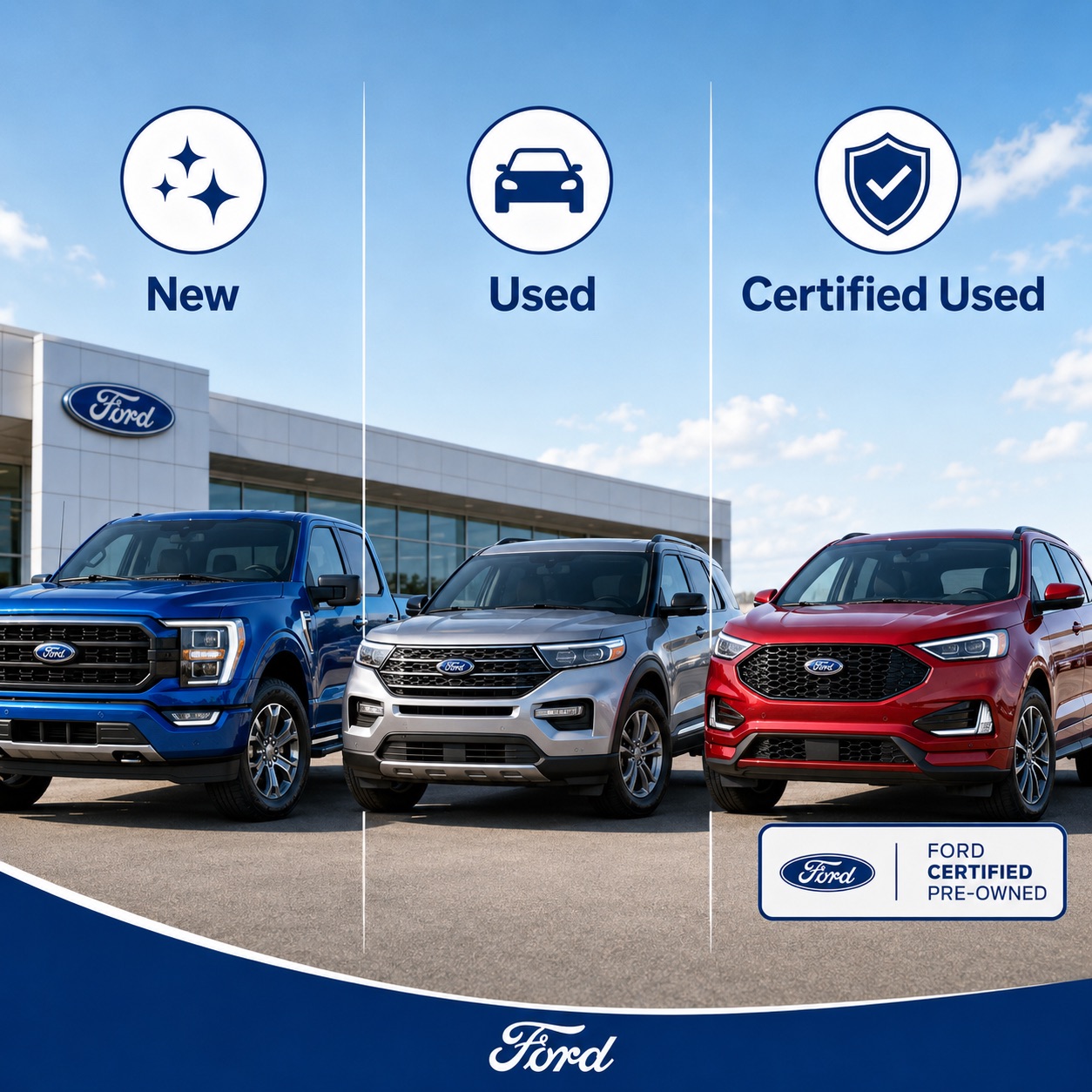
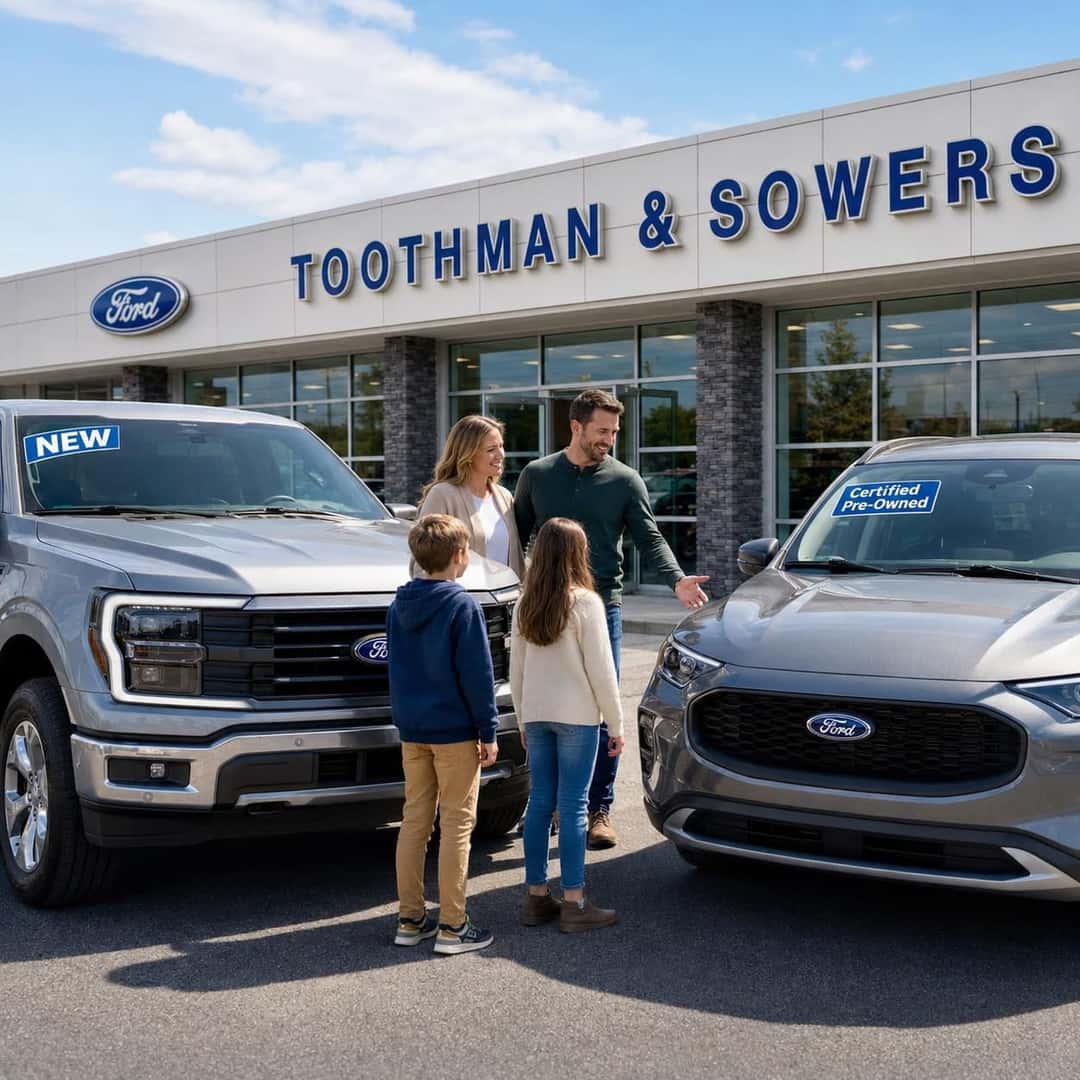
The better choice depends on what you want the vehicle to do for your budget, your driving routine, and your long-term plans. A new Ford is usually the stronger fit when you want the latest factory features, full new-vehicle warranty timing, and the ability to choose the exact model, trim, color, and equipment you prefer. A used vehicle is often the better fit when price flexibility, lower starting cost, and wider budget range matter most.
A certified used Ford sits between those two paths. It is still a pre-owned vehicle, but it has to meet Ford Blue Advantage program requirements when certified. That makes it useful for shoppers comparing certified used vs used because the decision is not just about age or mileage. It is also about inspection process, warranty coverage, vehicle history reporting, and program benefits.
For drivers shopping around White Hall, Fairmont, Clarksburg, Bridgeport, Morgantown, Grafton, Shinnston, Mannington, or Buckhannon, the practical answer is simple: buy new if you want the cleanest starting point and latest equipment, buy used if you want the widest price range, and compare certified used Ford models if you want added confidence without moving all the way into a new vehicle.
Quick Answers: New vs Used vs Certified Used
Fast guidance before you compare inventory
▼
Is it better to buy a used car or new?
New is better when you want the latest features, full new-vehicle warranty timing, and the cleanest ownership start. Used is better when you want more price flexibility and a wider range of model years, trims, and mileage options.
Should I buy a new or used car if I plan to keep it a long time?
A new vehicle can make sense for long-term ownership because you control the vehicle from the first mile. A well-chosen used or certified used vehicle can also work well if condition, mileage, service history, and financing terms fit your plan.
What is a certified used car?
A certified used car is a pre-owned vehicle that meets a certification program’s requirements. For Ford Blue Advantage, certification can include a multi-point inspection, age and mileage limits, limited warranty coverage, roadside assistance, and other program benefits depending on the certification level.
Certified used vs used: what changes?
A regular used vehicle can be a strong choice, but a certified used vehicle adds program standards that a non-certified used vehicle may not include. The useful difference is the added inspection, warranty, history, and eligibility framework.
Certified pre owned vs used: which should I compare first?
Start with certified pre-owned if confidence, inspection standards, and warranty coverage are high priorities. Start with used if your main goal is the broadest possible selection and price range.
What is a certified used Ford?
A certified used Ford is a pre-owned Ford vehicle that meets Ford Blue Advantage certification criteria. Gold Certified and EV Certified vehicles have different requirements from Blue Certified vehicles, so shoppers should review the specific certification level on the vehicle they are considering.
New, Used, or Certified Used: The Practical Difference
The right answer is less about which path is universally better and more about which path matches the way you plan to drive, pay for, and keep the vehicle.
Buy New
Best for the cleanest starting point
Best Fit: Shoppers who want the latest Ford technology, full new-vehicle warranty timing, current model-year equipment, and the ability to choose a specific trim or configuration.
Buy Used
Best for price flexibility
Best Fit: Shoppers who want more choices across price points, model years, mileage ranges, makes, trims, and monthly payment goals.
Buy Certified Used Ford
Best for used value with added program standards
Best Fit: Shoppers comparing certified used Ford options who want a pre-owned vehicle with inspection requirements, program-backed benefits, and certification-level details to review.
New vs Used vs Certified Used Comparison
Use this comparison to narrow your search before you choose a vehicle, request financing terms, or value your trade.
T&S Ford Shopping Advantage
Market Best Pricing Helps Keep the Process Straightforward
Toothman & Sowers Ford, also known as T&S Ford, uses Market Best Pricing to help make vehicle shopping more enjoyable and less stressful. The dealership uses sophisticated internet software to help set a fair price, so shoppers can focus on comparing the vehicle, condition, mileage, features, and ownership fit.
The key benefit is consistency. The price you are quoted is the same on the showroom, displayed on the internet, or provided when you call. That matters when you are comparing new, used, and certified used vehicles because it reduces the uncertainty that can make vehicle shopping feel harder than it needs to be.
Consistent Pricing
Showroom, website, and phone quotes follow the same pricing approach.
Less Guesswork
Shoppers can compare vehicles without wondering which price is the real one.
Better Focus
The decision can stay centered on budget, mileage, condition, and vehicle fit.
What Is a Certified Used Ford?
A certified used Ford is a pre-owned Ford vehicle that has met Ford Blue Advantage certification criteria. Ford separates certified used vehicles into Gold Certified, EV Certified, and Blue Certified levels. The most important differences are vehicle age, mileage, inspection points, and warranty coverage.
This matters because certified used vs used is not just a label comparison. A standard used vehicle can still be a smart buy, but certification gives you a defined program to review. That is especially useful if you are comparing a used Ford F-150, Escape, Explorer, Bronco Sport, Bronco, Maverick, Ranger, or Super Duty and want more information before choosing.
The practical takeaway is that certified pre owned vs used comes down to how much added structure you want. If you are comfortable reviewing condition, mileage, service records, and vehicle history on your own, a regular used vehicle may fit well. If you want Ford Blue Advantage standards attached to the vehicle, a certified used Ford deserves a closer look.
Which Choice Fits Your Driving Around North-Central West Virginia?
Vehicle shopping in the White Hall and Fairmont area is practical. Many drivers split time between town errands, I-79 commuting, I-68 regional travel, winter road conditions, family schedules, and truck or SUV use that has to handle more than a short daily commute. That mix changes how new, used, and certified used options compare.
For commuters and daily drivers
Think about miles, payment comfort, and technology
▼
Drivers commuting between Fairmont, White Hall, Bridgeport, Clarksburg, and Morgantown should start with mileage, comfort, and payment goals. A new vehicle gives you the latest technology and full ownership history. A used vehicle can help reduce purchase price. A certified used Ford can be a strong middle path when you want pre-owned pricing with more program structure.
For families comparing SUVs
Focus on seating, cargo space, safety-assist features, and condition
▼
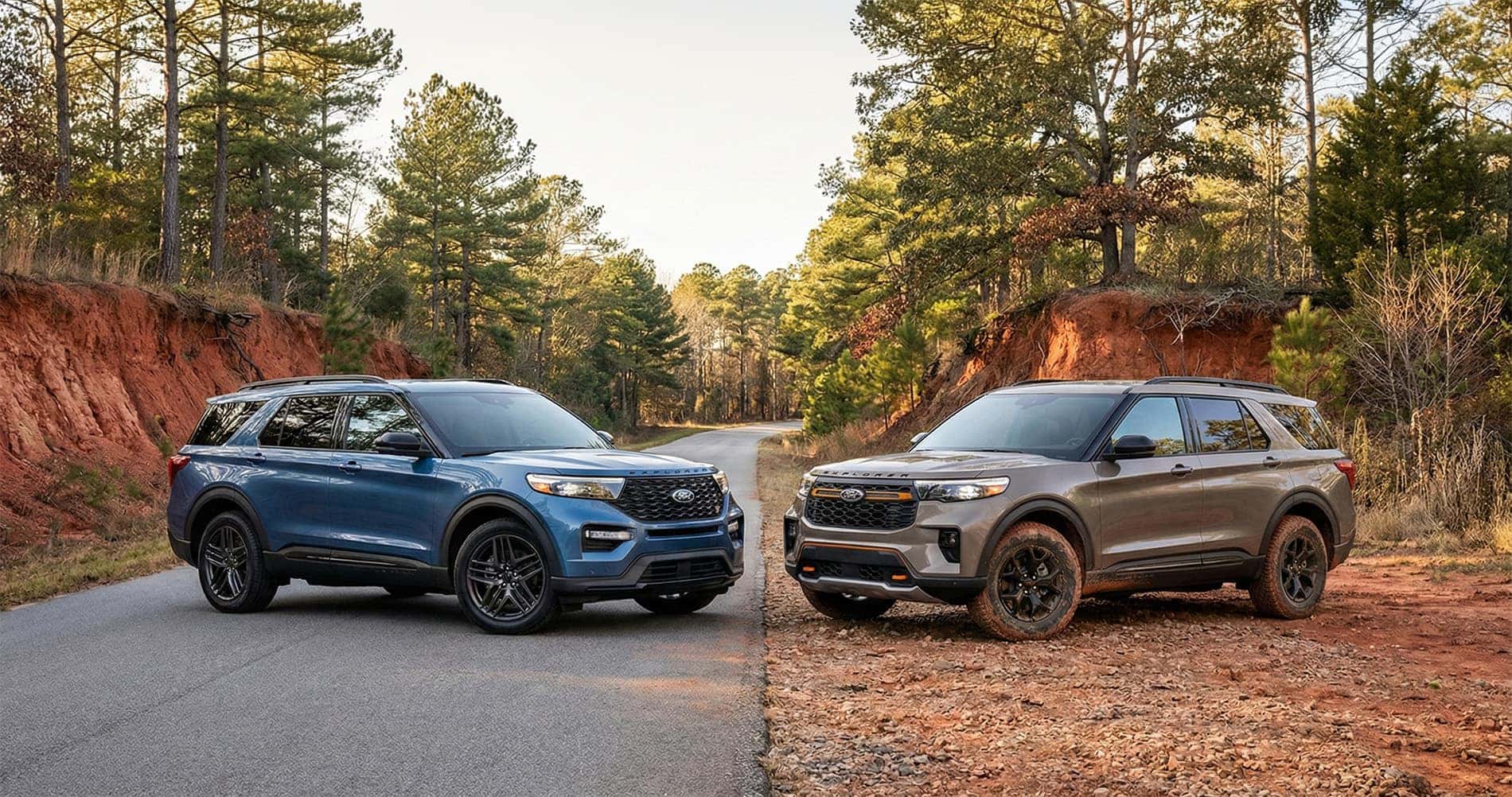
Families shopping for a Ford Escape, Bronco Sport, Explorer, or Expedition should compare how each vehicle handles people, cargo, school schedules, and weekend travel. New is strongest when the latest driver-assist and cabin technology matter most. Used can bring more model choices into range. Certified used helps when you want a pre-owned SUV with added inspection and warranty details to review.
For truck shoppers
Match capability to the way the truck will be used
▼
Truck buyers should look beyond price alone. A new Ford F-150, Ranger, Maverick, or Super Duty gives you the clearest starting point for towing, payload, work use, and long-term ownership. A used truck can be a strong value when its condition, configuration, mileage, and history fit your needs. A certified used Ford truck is worth comparing when you want a pre-owned truck with Ford Blue Advantage certification details.
For first-car or budget-focused shoppers
Start with total fit, not just monthly payment
▼
Used vehicles often give first-car shoppers the widest range of price points. The tradeoff is that condition, service history, mileage, and features need closer review. Certified used vehicles can help if you want a more structured pre-owned path. New vehicles can still make sense when warranty timing, current safety-assist features, and long-term ownership are high priorities.
How to Compare Your Options Online
Once you know which path fits your priorities, the next step is to compare real vehicles and payment tools. Toothman & Sowers Ford gives shoppers several ways to narrow the decision before visiting the store on White Hall Boulevard.
Compare Inventory
Start with available new, used, and certified pre-owned vehicles. Look at body style, mileage, trim, drivetrain, features, Market Best Pricing, and total fit before deciding which vehicle deserves a closer look.
Estimate Payments
Use the payment calculator to test different vehicle prices, down payment amounts, trade values, and loan terms. The result is an estimate, not a final approval or final payment.
Use Your Trade
A trade-in can support a new, used, or certified used purchase. Trade value depends on the vehicle, market conditions, condition, mileage, history, and final appraisal.
Ready to Compare Real Vehicles?
Shop current used and certified pre-owned options, review Market Best Pricing, estimate payments, or start your finance application when you are ready to move from research to a specific vehicle.
FAQ: Is It Better to Buy Used Car or New?
Is it better to buy a used car or new?
▼
New is better when you want the latest features, full new-vehicle warranty timing, and a vehicle with no prior retail owner. Used is better when you want more price flexibility and a wider range of model years, trims, and mileage options.
How does Market Best Pricing help when comparing new and used vehicles?
▼
Market Best Pricing helps create a more consistent shopping process at T&S Ford. The price quoted in the showroom, displayed online, or provided by phone follows the same pricing approach, so shoppers can focus on vehicle fit instead of wondering which price applies.
Should I buy a new or used car if I drive a lot?
▼
High-mileage drivers should compare total cost, warranty position, fuel economy, comfort, and vehicle condition. New gives you the cleanest mileage start. Used can lower purchase price. Certified used can add inspection and warranty structure if the vehicle qualifies.
What is a certified used car?
▼
A certified used car is a pre-owned vehicle that meets a certification program’s standards. For Ford Blue Advantage, certification can include inspection requirements, age and mileage limits, limited warranty coverage, roadside assistance, CARFAX reporting, and other benefits depending on certification level.
What is the difference between certified used vs used?
▼
A regular used vehicle is sold based on its individual condition, history, mileage, equipment, and terms. A certified used vehicle must also meet certification program requirements, which can add inspection standards, warranty coverage, and other benefits.
Is certified pre owned vs used worth comparing?
▼
Yes. Certified pre-owned vehicles can cost more than some regular used vehicles, but they may include program benefits that matter to shoppers who want more documentation and coverage. The better choice depends on the exact vehicle and your priorities.
What is a certified used Ford?
▼
A certified used Ford is a pre-owned Ford that meets Ford Blue Advantage certification requirements. Gold Certified and EV Certified Ford vehicles have different criteria from Blue Certified vehicles, so shoppers should review the certification level on the specific vehicle.
Is a certified used Ford still a used vehicle?
▼
Yes. A certified used Ford is still pre-owned. The difference is that it has met Ford Blue Advantage certification criteria and includes the applicable program details for its certification level.
Should I choose new, used, or certified used for a Ford truck or SUV?
▼
Choose new if you want the cleanest start and latest features. Choose used if price range is the top priority. Choose certified used if you want a pre-owned Ford truck or SUV with Ford Blue Advantage certification details to review.
What areas does Toothman & Sowers Ford serve?
▼
Toothman & Sowers Ford serves drivers from White Hall, Fairmont, Clarksburg, Bridgeport, Morgantown, Grafton, Shinnston, Mannington, and Buckhannon, along with shoppers across north-central West Virginia, the Marion County area, the Fairmont-White Hall market, and the I-79 corridor. The dealership is also a practical stop for drivers using I-79 and I-68 for regional shopping, commuting, work-truck needs, family SUV research, and Ford service.
Keep Researching or Start Shopping
Compare Ford Blue Advantage details, review payment tools, see Market Best Pricing on available vehicles, or move directly into current inventory when you are ready to find the right new, used, or certified used vehicle.
Continue Your Research
Shop, Finance & Connect
Disclaimers: Vehicle pricing, Market Best Pricing, offers, incentives, finance terms, warranty coverage, certification status, Ford Blue Advantage program details, trade values, and inventory availability may change without notice and must be confirmed with Toothman & Sowers Ford before purchase. Financing is subject to credit approval, lender requirements, vehicle eligibility, down payment, taxes, title, license, registration, dealer documentation fee, and other applicable charges. Payment calculator results are estimates only and are not final payment quotes or approvals.
Ford Blue Advantage program details, including inspection points, age limits, mileage limits, warranty coverage, roadside assistance, Ford Rewards, CARFAX Vehicle History Report, and money-back guarantee eligibility, are based on Ford program information and may vary by certification level and vehicle. Confirm current details directly with the dealership and Ford before purchase.
Feature availability, colors, accessories, packages, trim content, technology, and condition vary by vehicle, model year, production date, installed equipment, prior use, and availability. Always confirm the exact equipment and condition of the specific vehicle you are considering.
Driver-assistive technologies are not substitutes for safe driving. Drivers remain responsible for safely operating the vehicle and avoiding collisions.